By Mashum Mollah
Adding a dog into any person’s life is one of those very few enriching experiences. Dogs love without condition, uplift our mood, protect us, and be an integral part of the family.
Their care, however, goes much beyond making sure there is food for them and giving them tummy rubs.
Properly taking care of or knowing how to take care of your dog involves understanding their needs physically, emotionally, with regard to communication, and in terms of their long-term health.
This informative guide takes you through it all-from bringing home your first dog to upgrading your routine for a healthy, happy life: everything from nutrition and grooming to mental stimulation and preventative veterinary care.
Feed a Balanced, High-Quality Diet

A good diet is the very foundation of your dog’s health. Feed a high-quality dog food that uses real meat, whole grains, and vegetables. Avoid any foods whose first ingredients include “meat by-products” or artificial preservatives.
Feed according to age, size, and breed: puppies need more calories and multiple meals in a day, while in adult dogs, portions should be controlled to prevent obesity.
The toxic foods that should be avoided include chocolate, grapes and raisins, onions, garlic, xylitol-a sugar substitute, alcohol, and caffeine.
- Don’t overdo the treats.
- Keep your treats at 10 percent of your daily calorie intake.
- Assure access to clean water at all times.
If you are not sure what the best diet is for your dog, be sure to ask your veterinarian, as some breeds are allergic or have easily upset stomachs.
Create a Feeding Schedule
Dogs are creatures of habit. Feed them at the same time every day to regulate digestion.
Avoid “free feeding” by not leaving food available throughout the day, which can lead to overeating and weight problems.
Depending on your dog’s age and energy level, divide the meals into two to three times daily.
Regular Visits to the Vet
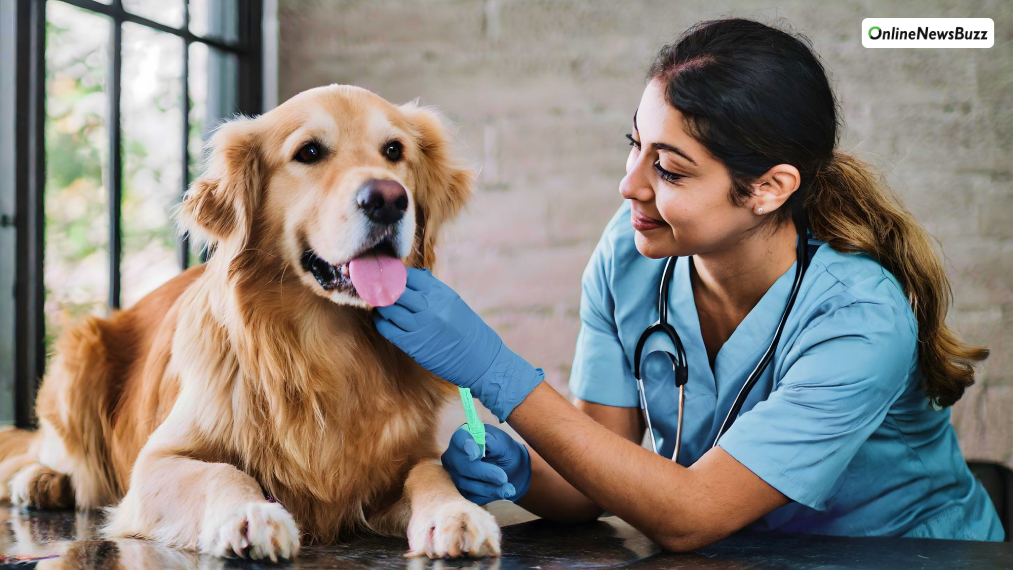
The ultimate key to long-term health is preventive care.
- Regular yearly check-ups with the vet will show problems early.
- Vaccinations – against fatal diseases, such as parvo, rabies, and distemper.
- Parasite control is done on a monthly basis: this includes tick, flea, and worm control.
- Dental check-ups prevent gum diseases affecting the vital organs.
If your dog is acting differently, vomiting, uncontrollably scratching, lethargic, limping, or not eating, immediately contact your vet.
November is the driest month. Over the course of an average period, the area stays dry during this month for 24 days.
Do these exercises daily
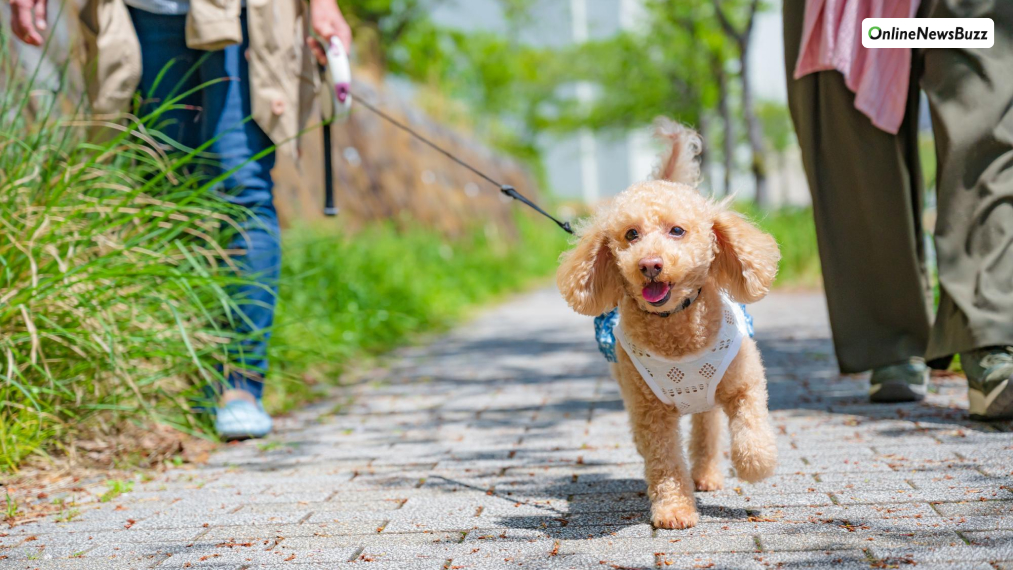
Excercise: All dogs need exercise, but the amount varies:
High-energy breeds (Border Collies, Labs, Huskies): 1–2 hours daily
- Medium breeds: 45–60 minutes
- Small or senior dogs: 20–30 minutes
Exercise ideas:
- Walks
- Tug-of-war
- Using fetch
- Swimming
- Agility games
- Hiking
Exercise will keep your dog fit, mentally composed, and less likely to be destructive.
Groom Your Dog Regularly
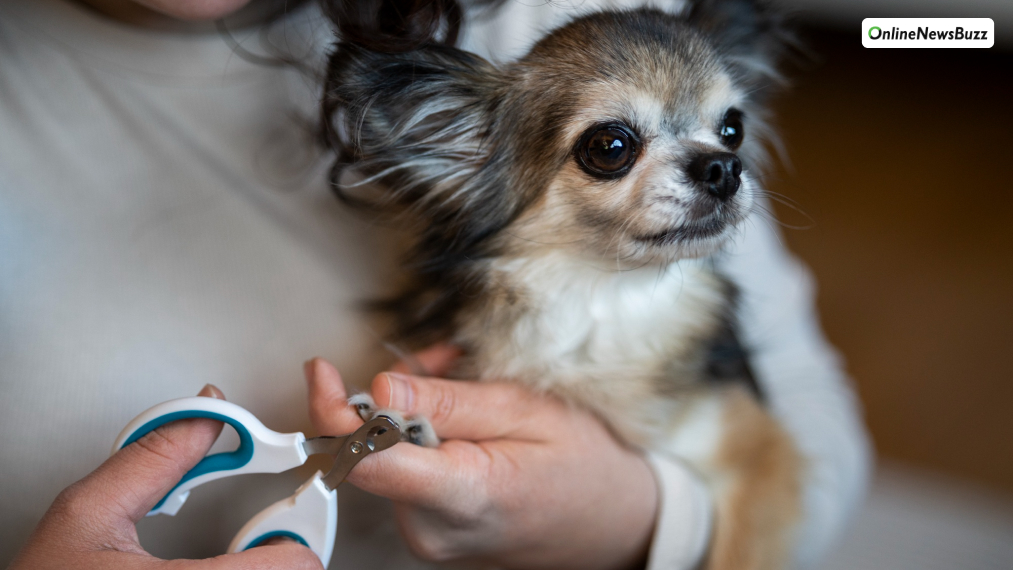
Grooming is a lot more important than how the horse looks; actually, it is very crucial for health reasons.
- Bathing: once every 3–6 weeks depending on the type of coat
- Nail trimming: every 2–4 weeks to avoid painful overgrowth.
- Cleaning of ears: Primarily in floppy-eared breeds in order to avoid infection.
- Tooth brushing: 2–3 times a week, to avoid the formation of calculus.
Regular, professional grooming every 2-3 months for longhaired and double-coated breeds can prevent serious matting.
Mental Stimulation and Enrichment
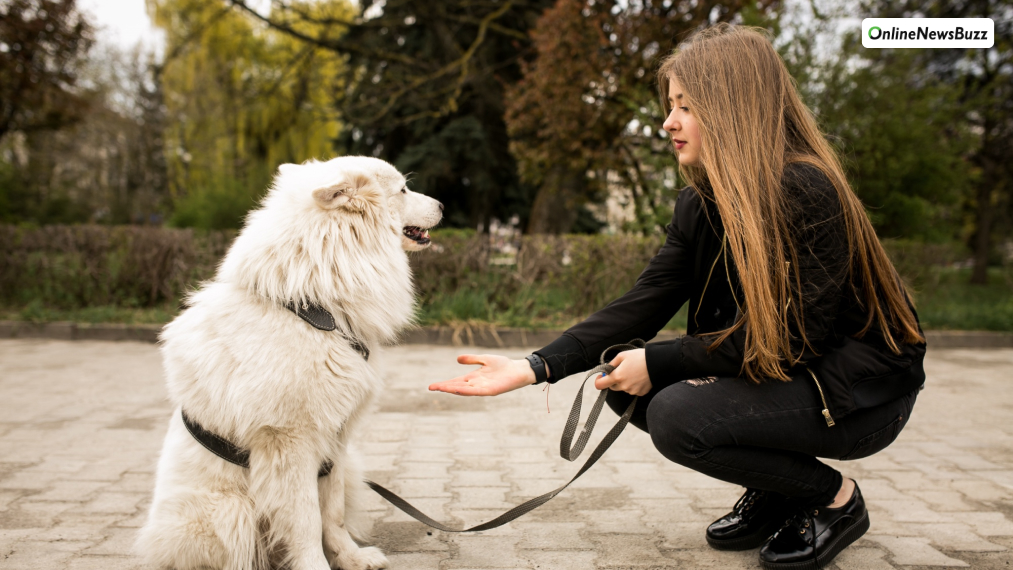
Dogs get bored very easily; the consequences of boredom include chewing, barking, digging, and anxiety.
Mental stimulation includes:
- Puzzle toys and treat-dispensing toys
- Scent-tracking games
- Hide-and-seek
- Snuffle mats
- Brief training sessions
- Teaching new commands and tricks
- Playtime interactive
The mental exercises are very much important as those of the physical one.
7. Socialization, from the very beginning
Socialization will make your dog a confident and friendly companion.
Expose your dog to:
- Different people
- They also tend to be more aggressive and violent with: Other dogs
- Sounds – traffic, vacuum cleaners, thunderstorms
- Various environments include parks, beaches, and markets.
- New objects and textures: grass, sand, wood floors
Proper socialization reduces anxiety and prevents behavioral problems later in life.
Train Using Positive Reinforcement
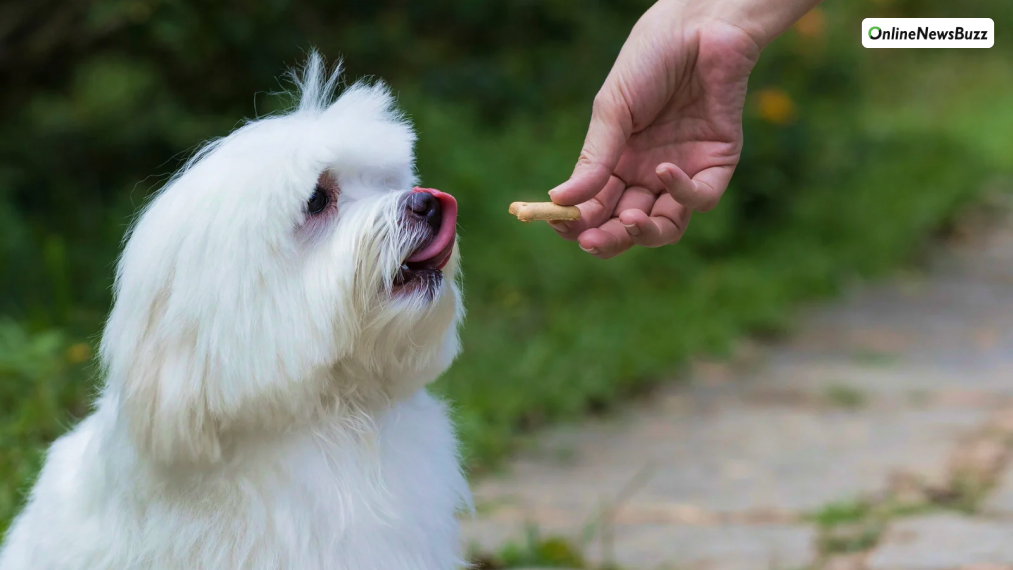
Good manners are pictorial and helpful to make life safer.
- Reward desired behaviors with treats, praise, or play.
- Never yell or physically punish, because it destroys trust and instills fear.
- Teach basic commands: sit, stay, come, down, leave it, heel
- Employ consistency and patience.
- Training sessions should be short, 5–10 minutes, but frequent.
Obedience training classes, especially the professional ones, are quite helpful for new dog parents.
Provide a Safe, Comfortable Living Space
This dog needs a place where it will feel secure.
- Provide a comfortable bed, crate, or mat in a quiet corner.
- Hazardous objects-cleaners, wires, toxic plants-should be kept out of reach.
- Maintain appropriate temperature and proper ventilation.
Never use the crate in crate-training as a form of punishment but rather as a den-like place, not a jail.
Keep Your Dog at a Healthy Weight
The main health problem in dogs is obesity. It provokes;
- Heart disease
- Diabetes
- Joint problems
- Shorter life expectancy
Monitor your dog’s waistline, food intake and activity level, and consult with your veterinarian as to what weight range is typical for his breed.
- Protect Your Dog with Preventive Medications
Monthly preventatives protect your dog from:
- Fleas
- Ticks
- Heartworm
- Intestinal worms
And yet, these conditions are easier-and cheaper-to prevent than to treat.
Shower them with love and attention.
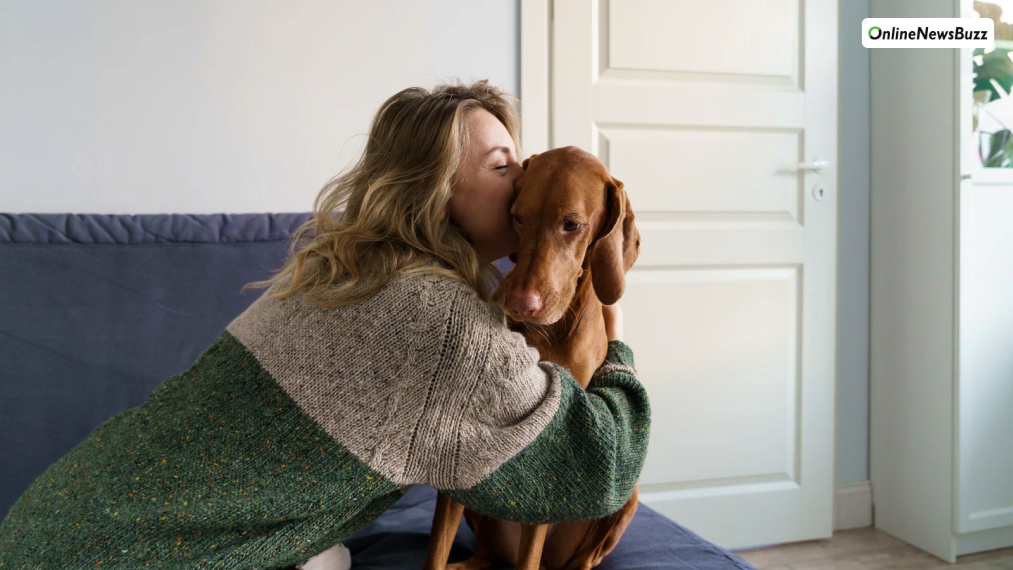
Dogs, by nature, are affectionate. They require a lot of quality time daily:
- Cuddle, play, and talk to them.
- Observe his cues.
- Gain trust by continuing to care.
Do not leave your dog
All alone for long hours daily for doing so results in separation anxiety in him. A loved dog is a happy, well-behaved dog.
The silent communication of dogs includes posture, movement of the tail, ears, and facial expressions. Key cues:
- Wagging tail and relaxed body = happy
- Tail tucked + ears back = fearful
- Growling, stiff body = defensive
- Licking lips + yawning = stressed (at nonsleepy moments)
- Pawing or nudging = wants attention
These tell one how to avoid misunderstandings and improve rapport.
Ensure Identification is Up-To-Date.
What to do if your dog gets lost. It is very important to know a few things if you are a first-time pet parent.
- Use a collar with name and phone number
- Microchip your dog
- Update address and contact information in the microchip database
- Consider a GPS tracker for adventurous dogs
Be Prepared for Emergencies
A big part of knowing how to take care of your dog is to know how to keep a dog-specific first-aid kit at all times, with;
- Bandages
- Tweezers
- Specific items to have on hand might include:
- Antiseptic wipes
- Wrappings Gauze
- Tick remover
- Topical veterinary recommended analgesia
- Emergency vet numbers
Knowing basic first aid may save your dog’s life.
Provide Your Dog with Structure and Consistent Rules
It is important to set boundaries ahead of time whether you want them on furniture or not, Decide on rules ahead of time – sofa or no sofa?
- Follow them always.
- Ensure that all family members adhere to the same rules.
This avoids confusion and may prevent behavioral problems.
Travel Safely with Your Dog
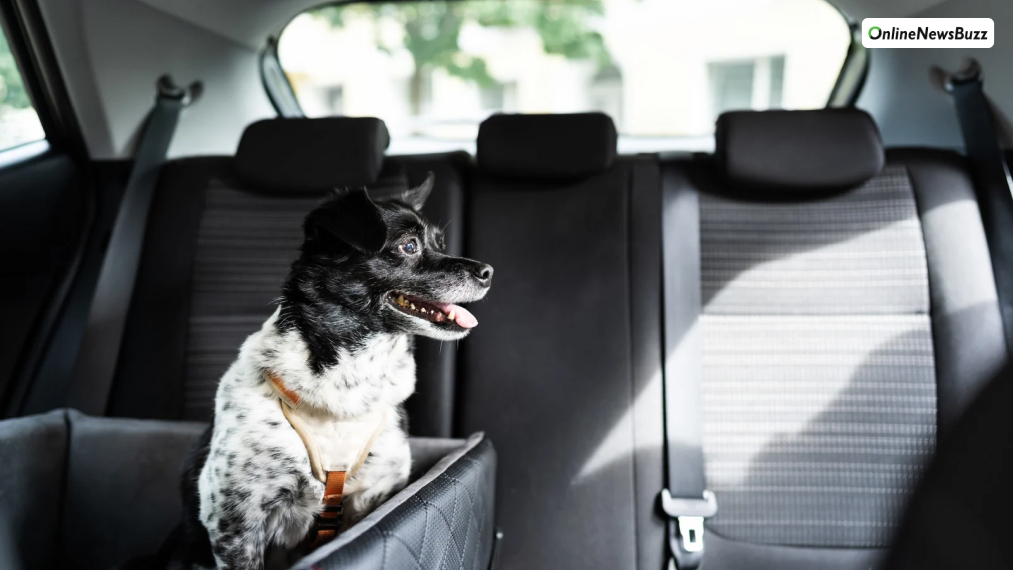
If you are traveling with your dog in a car, then there are certain things that you need to follow:
- Use a car harness or crate.
- Never leave them inside a hot car.
- Take frequent breaks for water and potty.
- If flying, check for pet-friendly airlines and their safety protocols.
Avoid Overbreeding or Irresponsible Breeders
If you’re adopting or buying a puppy:
- Always opt for responsible breeders who make sure of health screening.
- Or consider adopting from a shelter—it saves a life!
- Be wary of breeders that will not allow you to see health reports or meet the puppy’s parents.
Spay or Neuter Your Dog
Accompanying Benefits:
- Reduced risk of cancers
- Less aggressive behaviors
- No unwanted litters
- Longer lifespan
- Less migratory behavior
Ask your vet for the correct time to do it based on your dog’s breed.
Commit to Life
The life expectancy of dogs ranges from 10 to 18 years based on breed and health. Adoption of a dog is a long-term emotional and financial commitment. They depend fully on you: your love, care, and responsibility.
Final Thoughts
Knowing how to take care of your dog is a beautiful, rewarding journey and an important thing to know before being a pet parent. With good nutrition, healthcare, training, and affection, this will be a long and joyful life at your side.
They are more than just pets-they are family. Spend time and love in their care, and what you get in return is unconditional loyalty and companionship that lasts for the rest of your life.