By Nabamita Sinha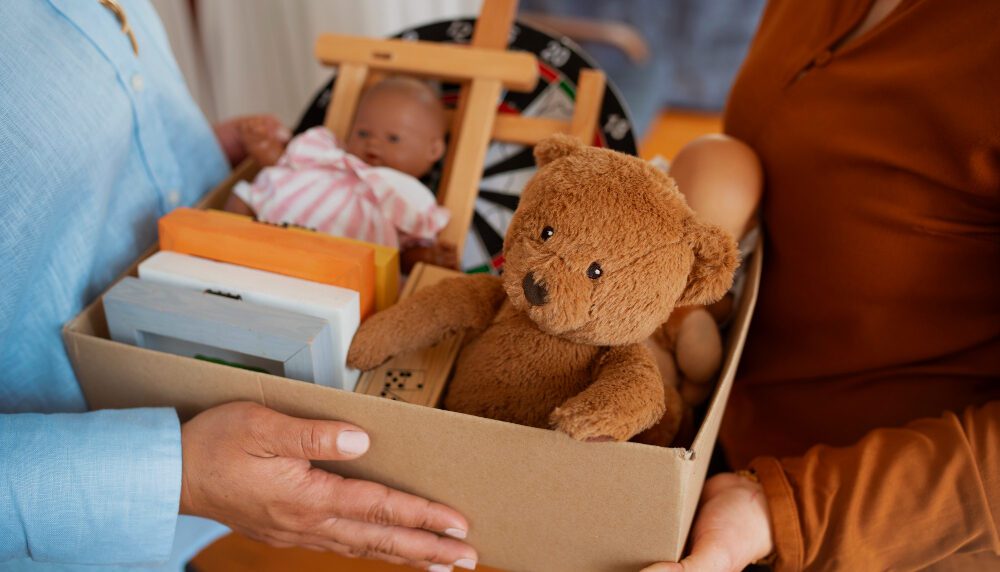
Now, the topic is how to pack children’s toy for moving. It took me 5 years back when I had to move to a new house with my daughter.
My daughter, being all of 5 then, had all the toys and dolls in her Pandora’s box. Being a single mother, it was not easy for me to ensure that everything remained intact. Now, I was already struggling with moving house and did not want another hurricane to land!
Fortunately, my neighbor suggested the name of https://paramountmoving.ca/vancouver/. Still, I was not sure, as children’s toys are perhaps the most difficult items to pack for a move. There can be a lot of them, they can be scattered throughout the house, and sometimes it can be difficult to get children to agree to leave some of them behind.
And as you see in movies, literally, many a time I somehow survived dangerous falls as I kept stepping over something or the other. Her Legos, her plushies, her skates, so many of them!
Even after hiring professional movers https://paramountmoving.ca/vancouver/, I was not at ease. Also, honestly, I did not have the funds then for a full-service moving help. So, I decided to do the packing myself and let the guys take care of the moving part.
I took some ideas from them, and they were very cooperative and helped me with some demonstration videos. And throughout the process, I realized that packing different types of toys requires different types of techniques and expertise.
In this article, I will talk about the common types of toys you may need to pack while moving house and how to pack them.
What Are The Common Types Of Toys Packed For Moving?
My daughter loves plushies, and my granny got her some customized wooden toys. My granny wanted my daughter to play with the same toys we grew up playing with.
Also, there were birthday gifts, with footballs, cricket bats, Barbie dolls, and whatnot! Now, packing the plushies was easier than the wooden and plastic worlds, as they were more likely to get scratched or broken.
And if that happens, I would have to see my daughter in her full monster mode!
So, I was thinking in advance about how you will pack the toys, because each type of toy has its own storage requirements and safety considerations for transport.
Nevertheless, here are the seven most common types of toys and how to pack them.
1. Plushies
Soft toys tend to collect dust, absorb odors, and lose their shape when compressed during transport. Their fabric surfaces can trap moisture, which increases the risk of mold if they are packed improperly.
How I Packed The Plushies Of My Daughter
To keep the plushies intact, I had put them in vacuum-sealed bags. Also, I packed the life-sized ones in zippered garment bags. I chose these bags to protect the plushies from getting wet, even in the event of a spill or some rain.
These bags also help save space. However, you need to ensure you compress the toy moderately when vacuum sealing it. Otherwise, there can be distortions.
For valuable or delicate items, place them in breathable cotton storage sacks inside a padded box to maintain their shape and texture while keeping them free of external debris.
2. Plastic Figures
Small action figures or building sets often contain detachable parts that can easily separate during movement. Scratches and minor warping may occur if items shift within a box.
My daughter has a whole bunch of plastic action figures. The Disney Princess figures and Marvel superhero figures are her everyday companions, and back then, she used to narrate a new story to me with them as the lead characters.
She told me, “Keep them safe. I am making you their guard.”
How To Pack Plastic Figures?
A practical approach is to sort the pieces by type, place them in labeled resealable pouches, and then group the related pouches within a rigid container.
Adding a layer of bubble wrap or foam inserts limits friction and movement.
You can disassemble larger structures with interlocking pieces in a strategic manner. Wrap each section individually to simplify later reassembly.
3. Wooden Toys
Wood is sensitive to sudden impact and may chip or develop pressure dents. Painted wooden toys may experience surface scuffs when rubbed against other objects.
How To Pack Wooden Toys?
Wrapping each item in kraft paper or soft cloth creates a protective barrier. For heavier pieces, double-walled boxes prevent collapse when stacked.
Place heavier wooden toys at the bottom of the box and fill the remaining gaps with soft padding to maintain stability during transit.
5. Electronic Toys
Battery-operated toys are susceptible to moisture, shock, and accidental activation. Leaving batteries inside increases the risk of leakage, which can damage internal components.
How To Pack Electronic Toys?
Before packing, remove the batteries and store them separately in labeled containers. Each toy should then be in antistatic bags or have soft padding, especially if it contains screens or sensitive circuits.
Marking boxes as “Fragile” helps ensure gentler handling, and placing desiccant packets inside the container helps control humidity.
6. Craft Kits
Art sets, modeling materials, and small accessories can scatter if not kept in a secure container. Some materials, such as clay or paint, may dry out or leak when exposed to fluctuating temperatures.
How To Pack Craft Kits?
Organizing items into compartmentalized containers prevents mixing and spills. Liquid or semi-solid materials should be inside plastic wrap before you place them in airtight bins.
Labeling each container allows for quick identification after unpacking and minimizes confusion.
7. Board Games
Game pieces and cards can easily bend or go missing. Boxes sometimes open during transport, spilling their contents.
How To Pack Board Games?
You can reinforce the original game boxes with elastic straps or adhesive tape to preserve their structure. For long-distance moves, place game boxes inside a larger, fitted container to reduce direct pressure.
Bagging small components in their own pouches ensures the game will remain intact and ready for use after relocation.